For many shoppers, a name-brand snack promotion changes what they buy only while it lasts. We surveyed 554 US adults in May 2026. 46% say they stock up when a name brand is on promotion and go back to the cheaper option once it ends. That habit sits at the center of how national brands compete with private label snacks.
Private label snacks are the retailer’s own brands, sold on the same shelf as name brands and usually for less. This article covers why people choose them, what promotions do to that choice, and what shoppers say would make them pay more for a name brand.
What We Wanted to Find Out About Private Label Snacks
Other research describes a broad move toward store brands. A survey released through PRNewswire found that price has overtaken both taste and brand loyalty as the top driver of grocery purchases. Ipsos reports that 69% of Americans say they have increased their private label purchases, across income levels and demographic groups.
A Circana report on private label sales names Gen Z as the main driver of that growth. It also finds that consumers now say they trust store brands as much as national brands on quality. Their view of private label quality is improving across food and drinks in particular. National brands are responding, according to the same report, with sharper pricing, new products and more digital marketing.
None of this says whether the people who moved to private label snacks mean to stay, or what would bring them back to a name brand. That was the question behind our survey. We asked 554 US adults how their snack buying has changed and why they would choose a store brand. We also asked how they react to promotions and what would make them pay more. The questionnaire also covered 15 snack brands, from long-established names to newer brands that question the name-brand premium.
Why Shoppers Switch to Store-Brand Snacks
Price comes first. 74% of the people we surveyed name the price difference as the main reason they would switch to a store brand. For most shoppers, the choice between a name brand and a store brand starts with the gap on the price tag.
That share rises as income falls. Among households earning under $50,000 a year, 88% give price as the reason, against 62% of households earning $75,000 or more. Price still leads among better-off shoppers, but more of them have other reasons.
Some people have gone further than switching brands. 24% of everyone surveyed say they have stopped buying certain types of snacks altogether. From here on, “active buyers” means the 507 people, 92% of those surveyed, who bought packaged snacks in the last six months. Among active buyers, 20% say they have cut certain snack types. For one regular snack buyer in five, the question is whether to buy a given snack at all.
Research on Gen Z points to food as one of the places people cut. In a First Insight study published in March 2026, 59% of Gen Z said they trade down on household staples to spend more on health, wellness and beauty. Food and drinks were among the most common categories they cut.
Do Promotions Bring Shoppers Back to Name-Brand Snacks
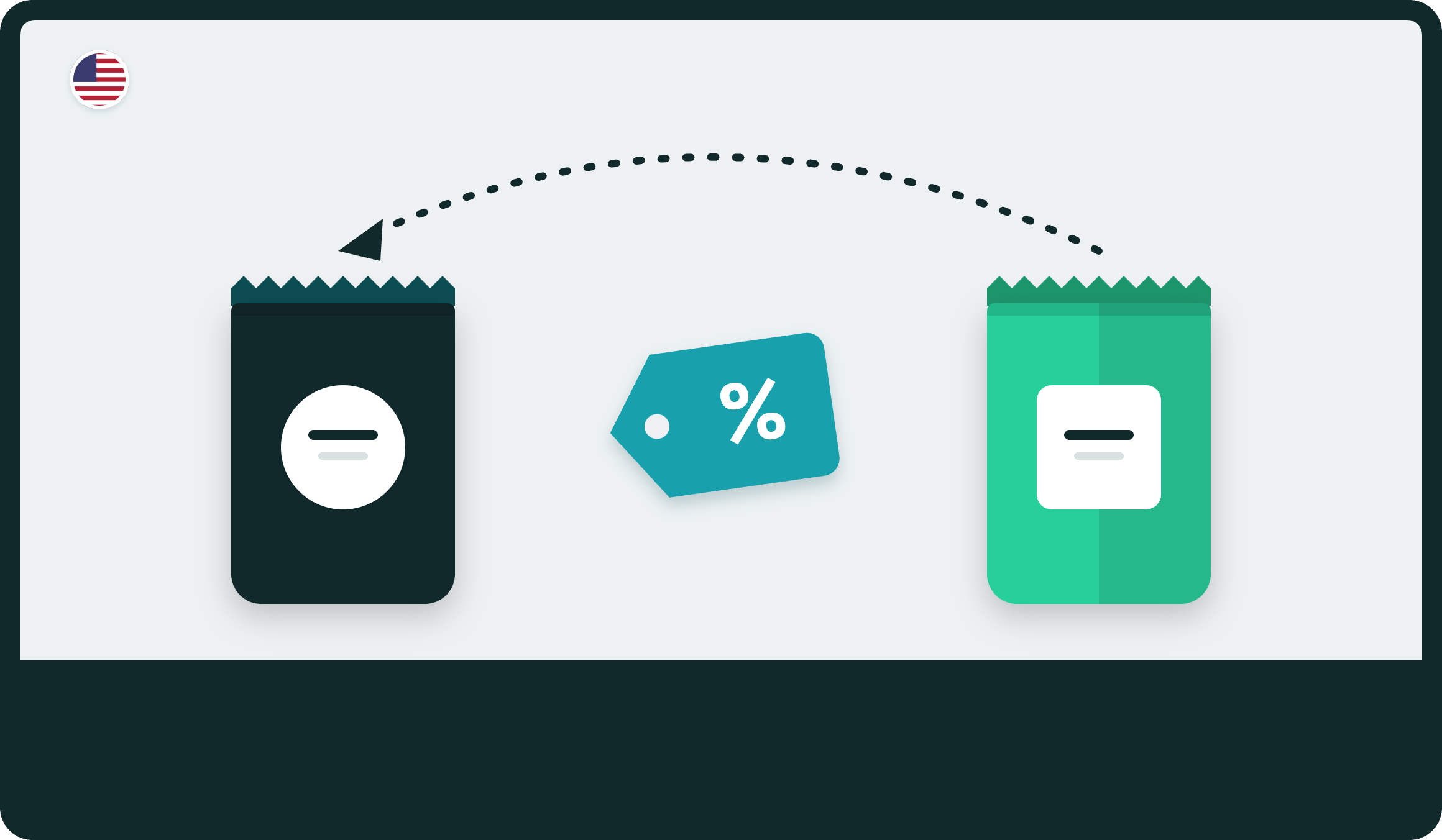
Promotions bring shoppers back for a while. 46% of the people we surveyed say they stock up when a name brand is on promotion and return to the cheaper option when the promotion ends. For them, a discount changes the timing of a purchase and leaves their preference for the cheaper option in place.
Some buyers do stay. Among active buyers, 35% say they keep buying the name brand after a price promotion. Roughly one regular snack buyer in three says a promotion leaves them with the name brand.
The two figures come from different groups, all 554 people and the 507 active buyers, so they don’t add up to one picture of every shopper. Read together, they show a promotion that holds some buyers and sends many others back to the store brand once the price goes up again. A sales spike during a promotion can include both groups, which makes it hard to read on its own.
What Would Make Shoppers Pay More for a Name-Brand Snack
Many shoppers set a condition, and it is about the product. 38% of the people we surveyed say they would need clear proof of a meaningful taste or quality difference before paying more for a name brand. Among active buyers, the figure is 41%.
The proof these shoppers ask for concerns what is in the bag, its taste or its quality. A shopper who can’t tell the difference between the name brand and the store brand has, by this answer, no reason to pay the higher price.
Age changes what people would pay for. Among 18 to 34-year-olds, 38% say values are the main reason they would pay more for a name brand. By values they mean sustainability, clean ingredients or a modern brand identity. Among people aged 55 and over, 14% say the same.
For younger shoppers, a name-brand premium can rest on what the brand stands for as well as on what the product tastes like. For older shoppers, values rarely come first. A single reason to pay more, built around taste or convenience alone, speaks to one group better than the other.
What the Data Means for Brands Competing With Private Label Snacks
Three checks follow from the figures for any name brand competing with private label snacks.
Check what happens to your sales after a promotion ends. 46% of the people we surveyed say they return to the cheaper option once a name-brand promotion is over, while 35% of active buyers say they stay. Sales in the weeks after the promotion show which of the two groups the discount reached.
Check whether your taste or quality difference can be shown. 38% say they need clear proof of a taste or quality difference to pay more. A brand message without that proof does not meet the condition these shoppers set.
Check whether your reason to pay more works for every age group. 38% of 18 to 34-year-olds put values first, against 14% of people aged 55 and over. An argument built for one of these groups may not reach the other.
What the Study Doesn’t Tell Us
The figures describe what people told us about their buying, not purchases we observed. The 46% who say they return to the cheaper option after a promotion describe their own habit, which we did not track over time. Only 47 people in the survey had stopped buying packaged snacks, too few to compare with active buyers, so this article leaves them aside. The figures on grocery drivers, private label sales and Gen Z come from other studies, each with its own method and sample.
Going Further
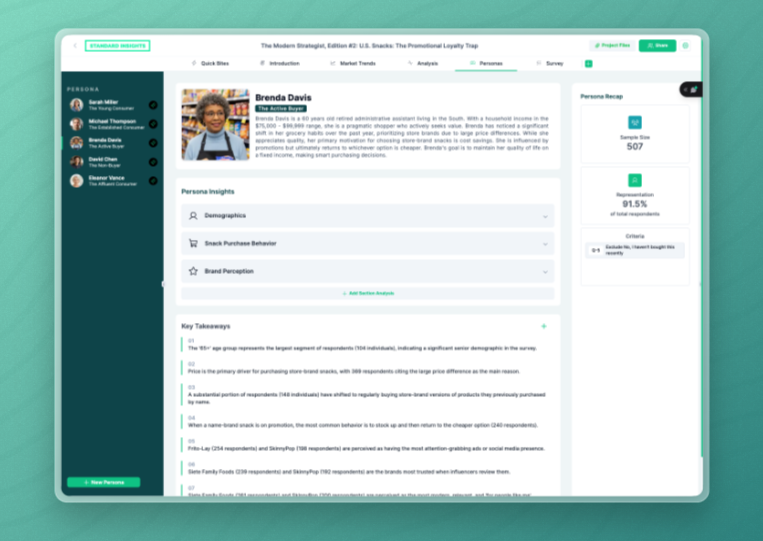
The full report covers every question, with breakdowns by age, income and buyer status, and brand-level scores for the snack brands we tested. We ran a similar study on why beauty shoppers swap premium products for dupes. These figures describe the category. For a specific brand competing with private label snacks, that’s what Brand Health and Brand Tracking measure.
Methodology: 554 US adults, nationally representative by age, gender and region, surveyed by Standard Insights in May 2026. Active buyers (purchased packaged snacks in the last 6 months): N = 507 (92%). Non-buyers (opted out of snack purchases recently): N = 47 (8%). Percentages are calculated on the total N (554) unless otherwise stated; active buyer percentages are calculated on that group. The questionnaire also covered 15 snack brands; brand-level results are in the full report.