AI shopping behavior is no longer a hypothesis: Americans already use AI assistants. The real question is what it changes: at which step it steps in, for which categories, and whether it actually shapes the choice of brand.
This report measures what AI shopping behavior really looks like in the US. In September 2026, we surveyed 500 American consumers about how they use AI assistants such as ChatGPT, Gemini, Copilot and Meta AI: in which product categories, at which step of the decision, and with what effect on what they ended up buying.
Using AI day to day is not the same as using it to shop. The report separates three groups: people who don't use AI, people who use it for other things, and people who asked an AI about a recent purchase. The gap between those groups is the true measure of the shift.
Eight categories are tested, from groceries to financial products, through electronics, travel and personal care. Is AI used because a purchase is complex, because it is expensive, or because the category is unfamiliar? Each answer points to different sectors being exposed.
Understanding the need, working out what to look for, finding brands, comparing, confirming: the study pinpoints where AI shopping behavior actually happens along the way. For a brand, the difference is decisive. An AI that acts early shapes the list of options before any brand is on it, whereas an AI that acts late arbitrates between brands already in contention.
AI was set against brand trust, reviews, price, trying in store, recommendations and creators. The report measures whether it shifted what consumers were looking for, simply reassured them, or triggered purchases that wouldn't otherwise have happened.
This report on AI shopping behavior isn’t a static PDF. It’s an interactive report: every page can be explored, filtered and queried, and every figure traces back to the data behind it.
The report reads in ten minutes, but it’s built to go further than reading. Two features let you shape it around your own questions.

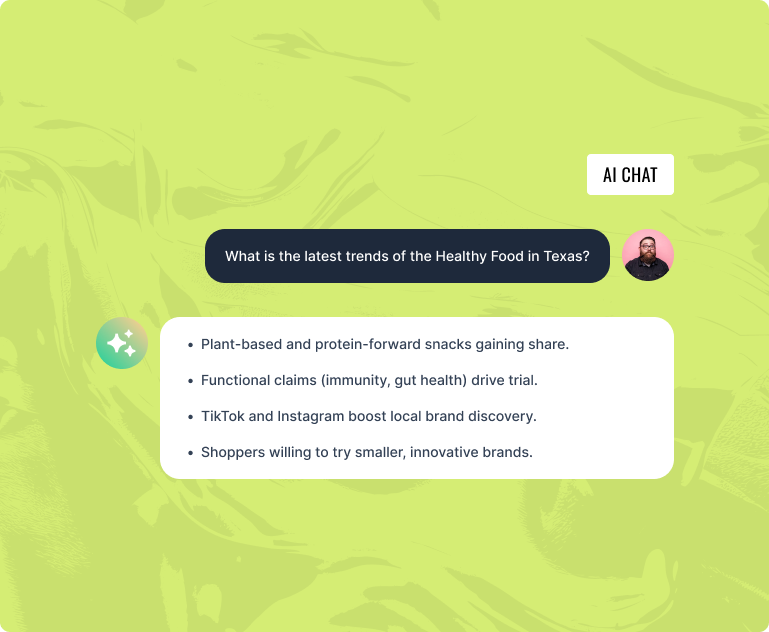
Ask a question in plain language (for example, "Do under-35s use AI for the same categories as older shoppers?") and get an answer grounded in the actual responses of all 500 respondents, with the figures behind it. It's the fastest way to explore a lead on AI shopping behavior that the report doesn't cover directly. Available to registered platform users only.
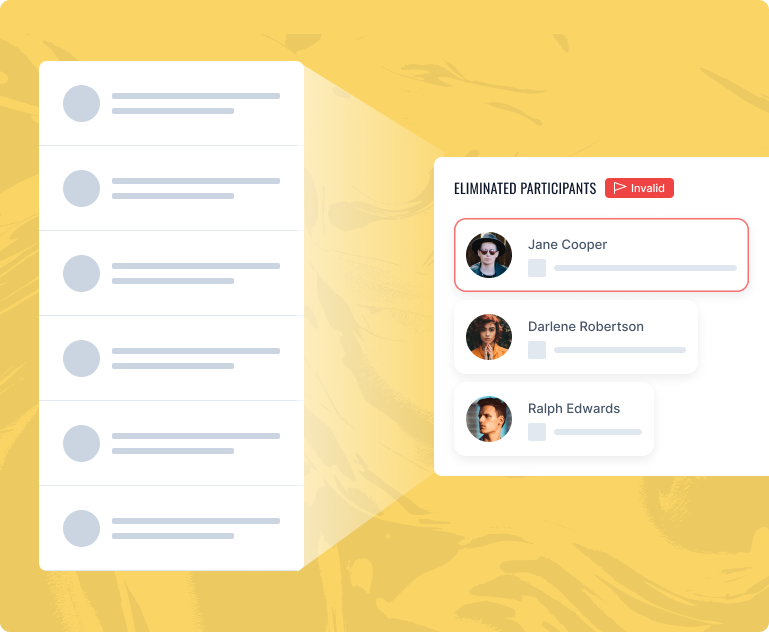
Recalculate any result for a subgroup: age, gender, region, household income or employment status. Compare two segments side by side to see where they diverge. The size of each subgroup is always displayed: below 50 respondents, a result is indicative and shouldn't be quoted as established fact.

AI shopping behavior refers to how consumers use conversational tools such as ChatGPT, Gemini, Copilot or Meta AI to prepare a purchase: understanding a need, identifying products or brands, comparing options or confirming a choice. Unlike a comparison site, an assistant sells nothing and gives an answer rather than a list of results.
A search engine returns pages that shoppers explore and compare themselves. An AI assistant synthesizes and can recommend directly. Part of the sorting work shoppers used to do can now be handed to the tool, which changes how brands make it onto the shortlist.
Because they don’t control what an assistant says about them. If AI steps in while consumers are building their list of options, a brand missing from its answers can be ruled out before it is ever compared. That’s the challenge behind what is now called generative engine optimization (GEO).
At five main points: understanding the problem, working out what to look for, finding options or brands, comparing them, and confirming the final choice. How much weight each step carries determines whether AI shapes demand or simply accompanies it.
Asking consumers directly whether AI influenced them overstates its role. A more reliable approach places AI among other possible influences (brand trust, reviews, price, trying in store, recommendations) and separates assistance effects, such as feeling reassured, from influence effects, such as changing what one was looking for. That’s how this report measures AI shopping behavior.
It’s one of the open questions on the subject, and the answer varies by category. A tool that helps choose between two products redistributes demand. A tool that removes a hesitation and triggers a purchase that would have been put off creates it. The report measures both.
Accessing the full report requires creating an account. Advanced features, including chat with the data, are reserved for registered users.
Yes. The same questionnaire can be fielded on a specific audience (your customers, an age group, a type of buyer) or in another country, with a full report delivered in 24 hours.